
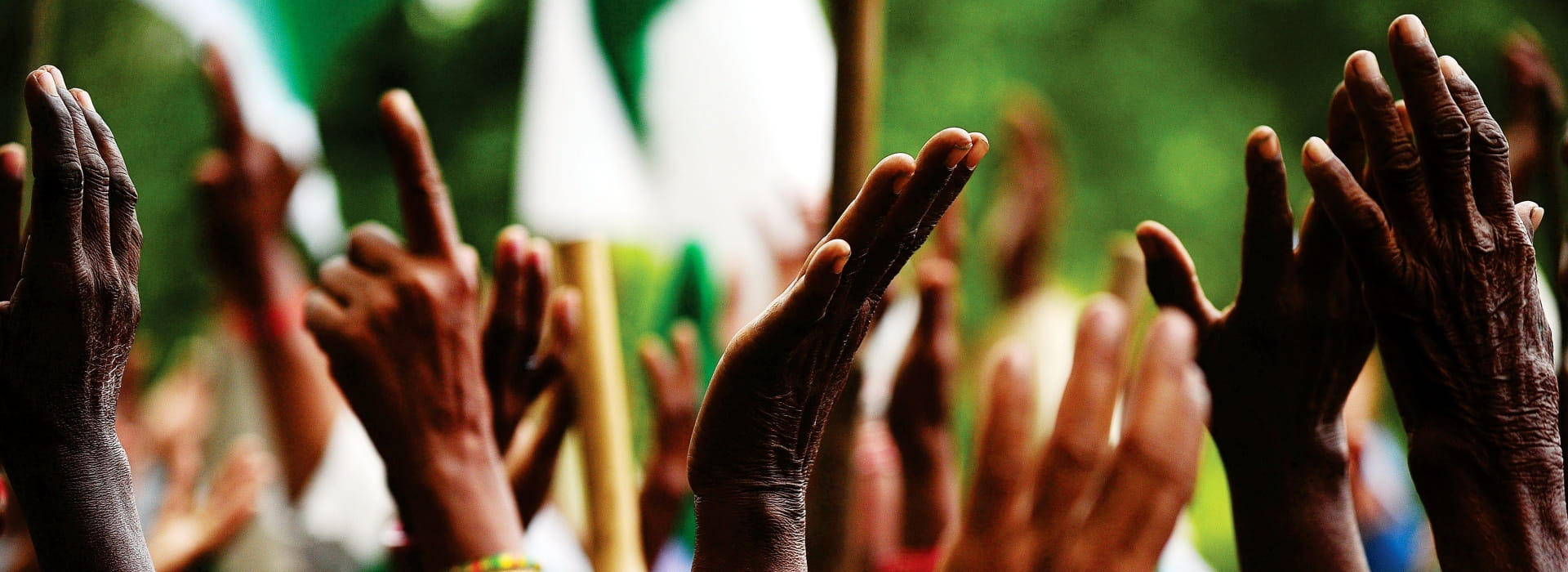

This compendium is grounded in the recognition that digital freedoms are no longer peripheral to human rights protection; they are central to the enjoyment of constitutional democracy, civic participation, accountability, and access to justice. Freedom of expression, media freedom, access to information, privacy, data protection, anonymity, encryption, and protection against Strategic Litigation Against Public Participation (SLAPPs) increasingly operate in an interconnected digital ecosystem. The internet has become a primary space through which citizens receive and impart information, journalists investigate public interest issues, civil society organisations mobilise communities, whistleblowers expose wrongdoing, and human rights defenders hold public and private power to account.
At the international level, the normative foundation for these rights is anchored in the Universal Declaration of Human Rights and the International Covenant on Civil and Political Rights (ICCPR). Article 19 of the ICCPR protects the right to hold opinions without interference and the freedom to seek, receive and impart information and ideas of all kinds, regardless of frontiers and through any media. This principle is particularly important in the digital age because expression now occurs not only through newspapers, radio and public gatherings, but also through social media, online journalism, blogs, encrypted messaging platforms, digital archives and citizen reporting.
Related Posts

September 9, 2024
Heal Zimbabwe Trust Human Rights Report
In this Human Rights Report, Heal Zimbabwe Trust takes a look into the state of…
August 10, 2024
July 2024 – ZPP Monthly Monitoring Report
The month of July concluded on a sombre note, marked by a resurgence of historical…
October 21, 2023
Zimbabwe 2023 Harmonized Election Daily Monitoring Report
The Zimbabwe Human Rights NGO Forum (the Forum) consistently monitors the human rights environment in…
October 10, 2023
Zimbabwe State of Human Rights Report 2023
2023 will certainly go down as the year that we will not easily forget. It…