
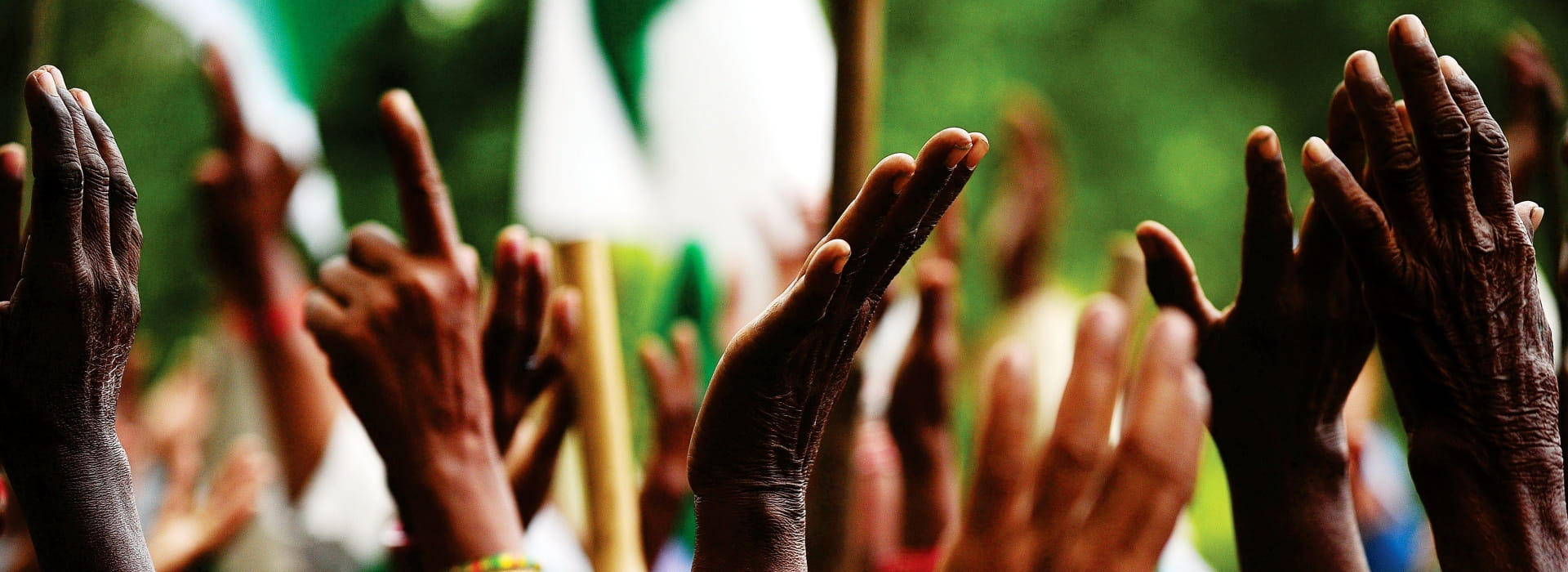

Zimbabwe has experienced traumatic conflicts during the past six decades. The conflicts have ranged from nationalist resistance in the 1960s and a protracted liberation struggle in the 1970s to a civil war in the western provinces in the 1980s. Most of the conflicts have revolved around power struggles and identity issues. Following a brief lull in the early 1990s, the country has since then lurched from crisis to crisis.
It is not an exaggeration to state that both colonial and post-colonial violence has left a large residue of wounds, trauma and unsavory memories in Zimbabwean society. Unfortunately, the state and society have not addressed the historical and contemporary consequences of those wounds, scars and resultant trauma. There have been no earnest and systematic attempts to heal those festering wounds. The cycles of conflict, including violence, tend to be repeated.
Related Posts

October 22, 2026
Compendium of Case Law Relating to Digital Freedoms
This compendium is grounded in the recognition that digital freedoms are no longer peripheral to…
September 9, 2024
Heal Zimbabwe Trust Human Rights Report
In this Human Rights Report, Heal Zimbabwe Trust takes a look into the state of…
August 10, 2024
July 2024 – ZPP Monthly Monitoring Report
The month of July concluded on a sombre note, marked by a resurgence of historical…
October 21, 2023
Zimbabwe 2023 Harmonized Election Daily Monitoring Report
The Zimbabwe Human Rights NGO Forum (the Forum) consistently monitors the human rights environment in…