
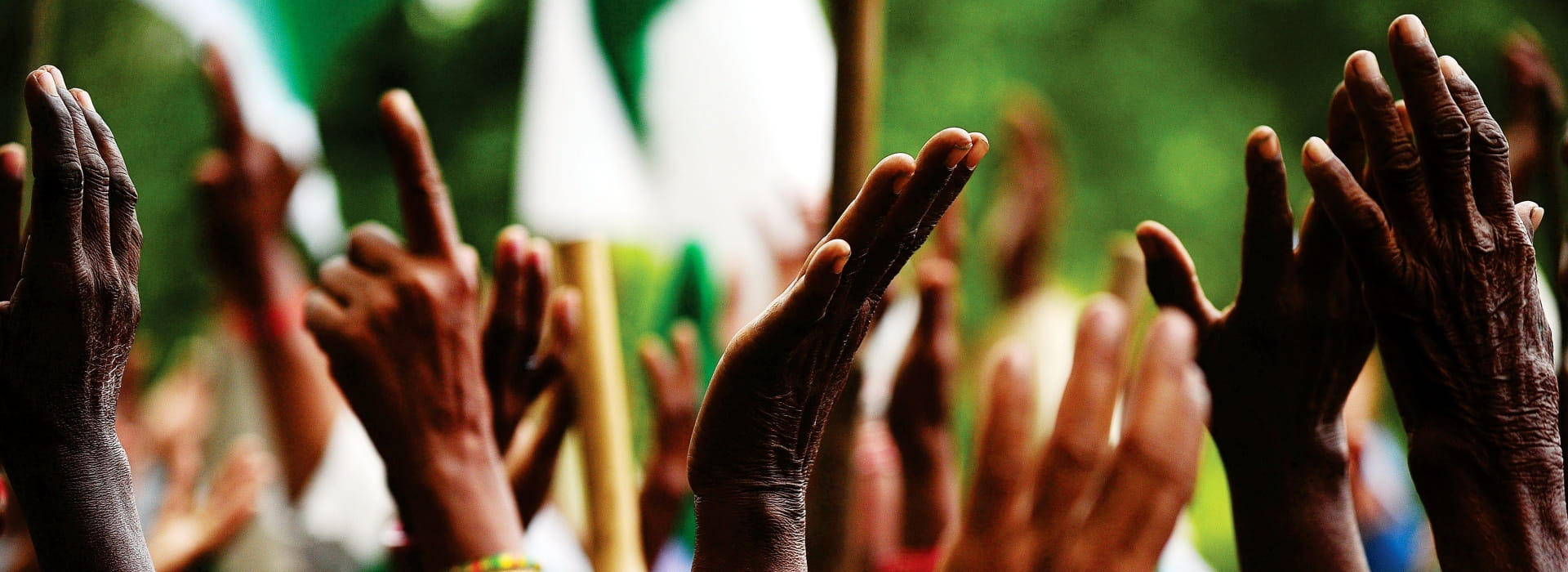

The Zimbabwe Human Rights NGO Forum (the Forum) joins today the rest of Africa in commemorating Africa Human Rights Day under the theme “African Year of Human Rights with Particular Focus on the Rights of Women”. Thirty years ago, on 21 October 1986 the African Charter on Human and People’s Rights (the African Charter) came into force, giving both hope and guarantees for the protection of human rights on the African continent. The African Charter forms the basis of the African human rights system. Since then, on 21 October of each year Africa commemorates this day, reflecting on the solemn declaration by the African Governments to respect, promote and protect human rights on the continent.
As we celebrate this day we take note of commitments that have been made by African leaders through a raft of agreements, guidelines and treaties. The African Charter on Human and People’s Rights has provisions on the promotion and protection of women’s rights, while the Maputo Declaration contains the legal framework for women’s rights. The African Union (AU) Gender Policy has a roadmap for the implementation of the AU’s responsibilities on women’s rights, in line with the AU’s Constitutive Act that also promotes women’s empowerment and gender equality. The respect, protection and fulfillment of civil and political, as well as social, economic and cultural rights makes direct contributions to the realisation of the new 2030 Agenda for Sustainable Development adopted by the member states of the United Nations in September 2015.
Some progress in gender equality and women’s empowerment has been realised as a result of the regional guidelines, agreements and treaties. Progress however has varied between countries over time due to the different baseline conditions for each country as well as the political will of its leadership. In Zimbabwe, as in other countries, the regional guidelines, agreements and treaties are used by human rights defenders as standards to measure government’s compliance and commitment.
In marking the African Human Rights Day, the Forum acknowledges progress that has been attained in Zimbabwe with regards to: women’s exemption from the death penalty; the prohibition of female genital mutilation; the appointment of the Gender Commission; the prohibition of child marriages; the adaptation of robust policies and practices to intervene against domestic violence including the adoption of the Second National Gender Policy. Zimbabwe is also part to a number of international conventions that provide for gender quality that include the Convention on the Elimination of All Forms of Discrimination Against Women (CEDAW) (1991); the Beijing Declaration on the Platform for Action (1995); the Convention on Civil and Political Rights (CCPR); the Equal Remuneration Convention; the Convention on Prohibition of Discrimination in Occupations; the Convention on the Elimination of the Worst Forms of Child Labour and the Convention on Economic, Social and Cultural Rights (ECOSOC).
Notwithstanding these examples of progress there are areas of concern. Various violations of civil and political, as well as social, economic and cultural rights have been observed in Zimbabwe. These pertain to the right to water; freedom from arbitrary evictions; the right to food; freedom of assembly and association; freedom from torture, inhuman and degrading treatment and punishment and more.
The Forum calls upon African States and African leaders to renew their commitment under the African Charter on Human and Peoples’ Rights, in particular the provision under Article 1 of the African Charter; ‘to adopt legislative and other measures to give effect to the rights under the Charter’.
Forum members
- Amnesty International-Zimbabwe
- Catholic Commission for Justice and Peace in Zimbabwe
- CIVNET
- Counseling Services Unit
- Gays and Lesbians of Zimbabwe
- Justice for Children
- Legal Resources Foundation
- Media Institute of Southern Africa-Zimbabwe
- Media Monitoring Project Zimbabwe
- Non-violent Action and Strategies for Social Change
- Research and Advocacy Unit
- Students Solidarity Trust
- Transparency International-Zimbabwe
- Women of Zimbabwe Arise
- Zimbabwe Association for Crime Prevention and Rehabilitation of the Offender
- Zimbabwe Association of Doctors for Human Rights
- Zimbabwe Civic Education Trust
- Zimbabwe Human Rights Association
- Zimbabwe Lawyers for Human Rights
- Zimbabwe Peace Project
- Zimbabwe Women Lawyers Association
Related Posts

November 4, 2024
Zimbabwe CSOs Joint Press Statement On The Fast tracking of the PVO Amendment Bill
We, the undersigned Zimbabwe Civil Society Organizations and Heads of Civil Society Organizations and Networks,…
September 6, 2023
Post-election Attacks Against Civilians and Human Rights Defenders
The Zimbabwe Human Rights NGO Forum (the Forum) expresses its outrage following the abduction and…
May 10, 2023
Forum Statement to The African Commission on Human and Peoples’ Rights at The 75th Ordinary Session
Honourable Chairperson, Commissioners; Government Delegations, civil society representatives; ladies and gentlemen. The Zimbabwe Human Rights…
November 23, 2017
The Expectations of and Requests to the Emerging Government of Zimbabwe from The Civil Society in Zimbabwe
We, the undersigned civil society organisations based and working in Zimbabwe welcome the peaceful and…